
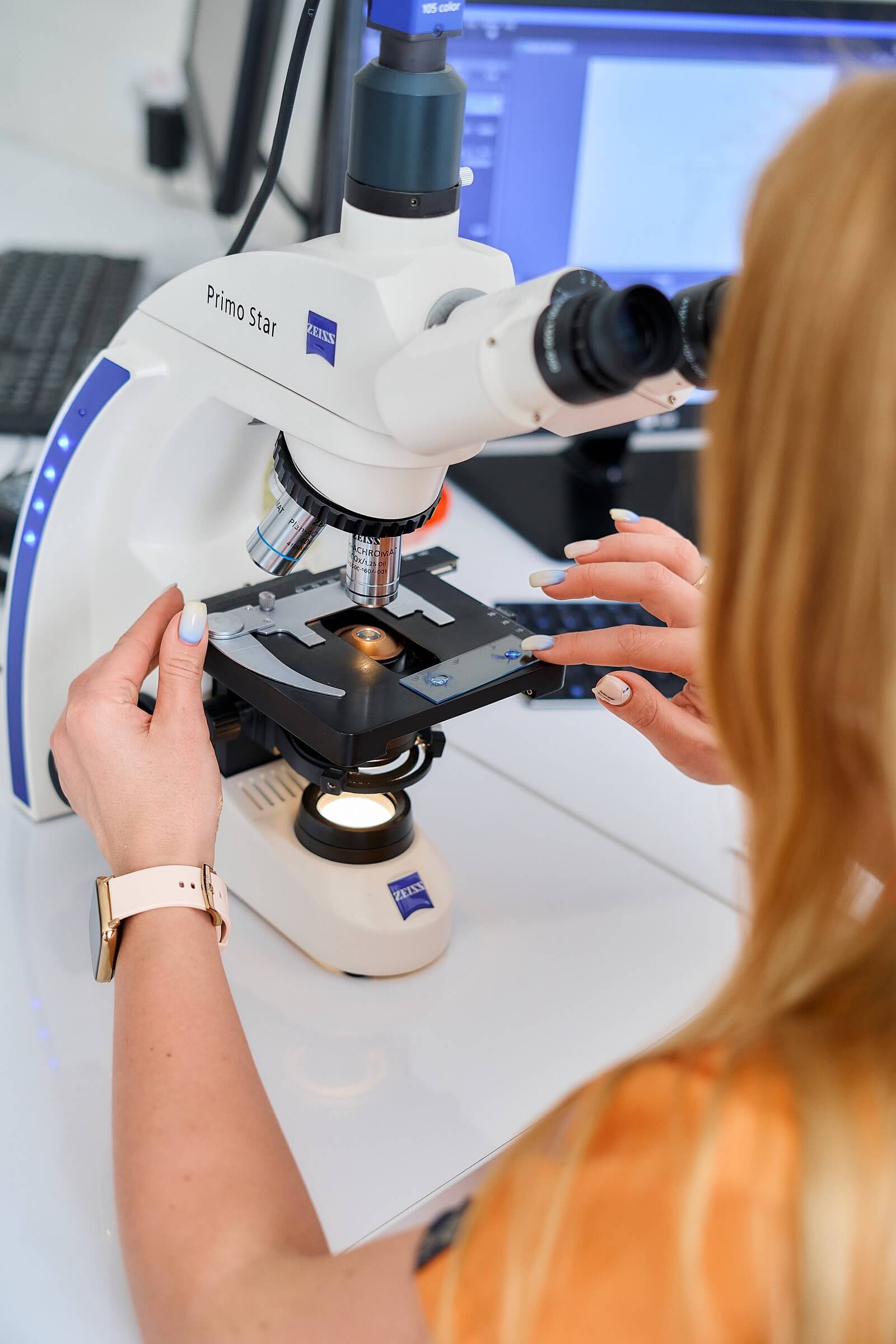
Infertility is not always a “female” problem. In approximately 40–50% of cases, conception difficulties are linked to male factors. Poor sperm quality, hormonal imbalances, infections, or anatomical abnormalities can significantly reduce the chances of successful fertilisation. Modern reproductive medicine offers a range of effective solutions that enable men to become fathers even in challenging situations.
Causes of male infertility
The main causes of male infertility include:
- Oligozoospermia or azoospermia (reduced sperm count or complete absence of sperm in ejaculate);
- Poor sperm motility or abnormal sperm morphology;
- Genetic disorders, including Klinefelter syndrome;
- Inflammatory and infectious diseases (orchitis, ureaplasma, chlamydia);
- Hormonal imbalances (testosterone deficiency, pituitary dysfunction);
- Varicocele (enlarged veins in the testicle);
- Exposure to harmful factors (alcohol, smoking, stress, toxins, overheating).
Diagnosis of male infertility
The first step toward parenthood is consulting an andrologist or reproductive specialist. Diagnostics usually include:
- Semen analysis — a fundamental test assessing sperm count, motility, and morphology;
- MAR test and DNA fragmentation tests;
- Hormonal profile analysis (testosterone, FSH, LH, prolactin);
- Ultrasound of the scrotum and prostate;
- Infection screening, karyotyping, and other genetic tests if indicated.
Only after a comprehensive diagnosis can the most appropriate treatment strategy be selected.
Treatment methods for male infertility
- Medication. Prescribed for hormonal disorders, inflammation, or infections. Treatment may involve antibiotics, hormone therapy, and vitamin-antioxidant supplementation.
- Surgical intervention. Used for varicocele, obstruction of the reproductive tract, or other anatomical issues. The most common surgery is varicocelectomy.
Surgical sperm retrieval
If no sperm are found in the ejaculate (azoospermia), sperm can be obtained through:
- TESA/PESA — aspiration of cells from the testicle or epididymis;
- TESE or microTESE — testicular biopsy with microscopic search for sperm.
Retrieved sperm cells are then used in ICSI procedures.
Assisted reproductive technologies
When natural fertilisation is impossible, technologies such as:
- ICSI (intracytoplasmic sperm injection);
- IVF using partner’s or donor sperm,
are applied to help achieve pregnancy.
Lifestyle impact on male infertility
Lifestyle modification is an important part of treatment. Recommendations include:
- Quitting harmful habits;
- Maintaining a healthy weight;
- Balanced nutrition;
- Avoiding excessive heat exposure to the testes;
- Managing stress and maintaining physical activity.
Even simple changes can improve sperm quality and increase the chances of success.
Comprehensive care for male infertility at Alternatyva Ovumia Group
At Alternatyva, we pay special attention to male reproductive health. Our specialists provide full diagnostics, effective treatment, and support couples throughout their journey to conception.
We offer:
- Modern treatments for male infertility;
- Options for ICSI, TESA, and TESE;
- Programs with donor sperm;
- Comprehensive support at every stage of treatment.
Remember, male infertility is not a verdict. In most cases, it can be treated or managed. By turning to the experts at Alternatyva, you take the first step toward your long-awaited parenthood.